

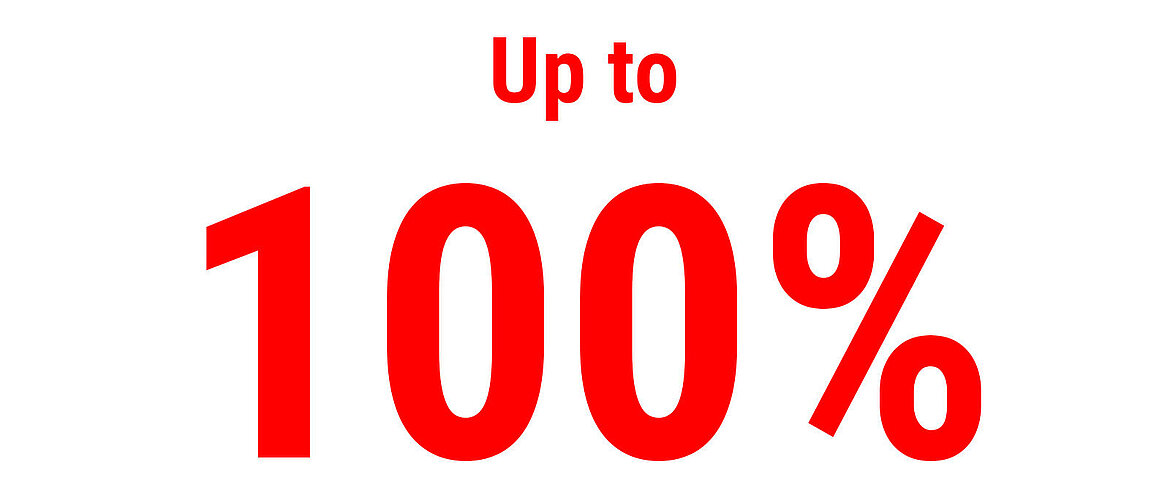
leak-proof packaging by sealing through product residues.

fewer rejects thanks to a precise, repeatable process.
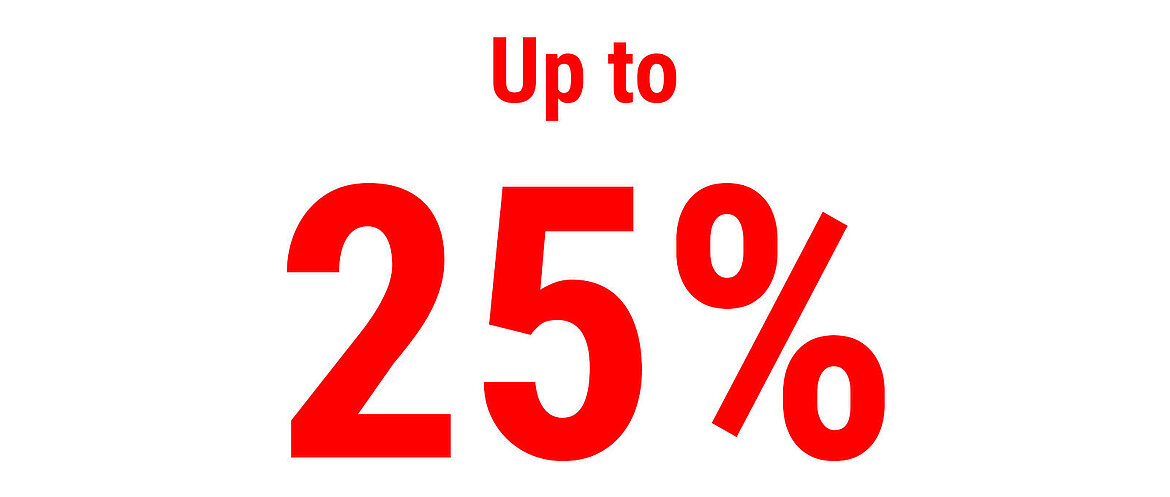
higher machine output and increased sales.
How does ultrasonic sealing work?
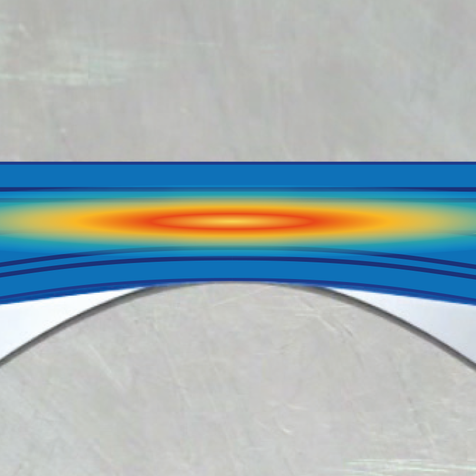
Sealing tools (anvil or sonotrodes) focus the ultrasonic energy on the point at which the sealing should take place, and friction heat is generated. The sealing time is between 100 and 200 milliseconds. Unlike heat sealing, the heat required in ultrasonic technology is only generated within the materials being joined.
The tools remain cold and support the dissipation of heat. The hot-tack resistance (strength of the seam directly after welding without cooling) is also significantly higher than with other sealing methods.
For precise welding to take place, the energy from the ultrasonic waves must be focused (energy focusing). This is either achieved via the tool geometry or the joint design on the material. In the case of joint design, the area at which the material is to be joined has special shapes such as points or edges. In the case of tool geometry, sonotrodes or the anvil are specially shaped to focus the energy.
Examples of Seals
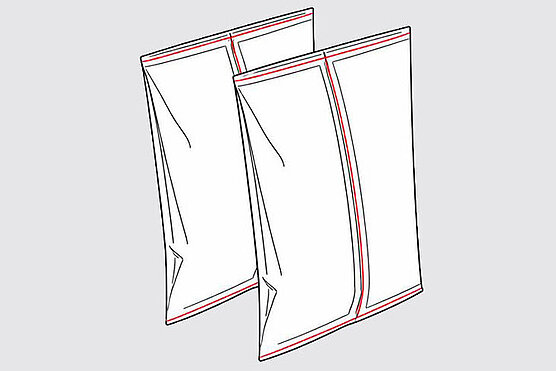
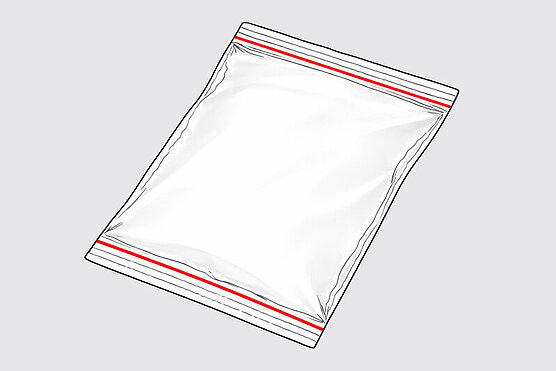
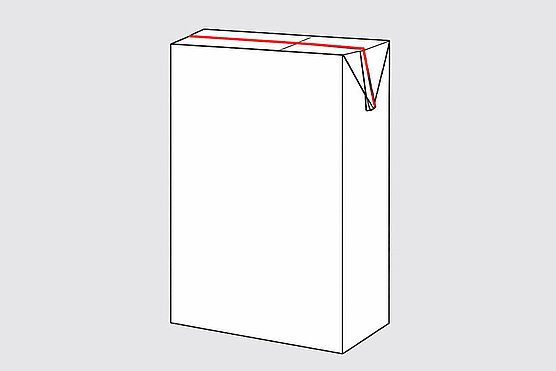
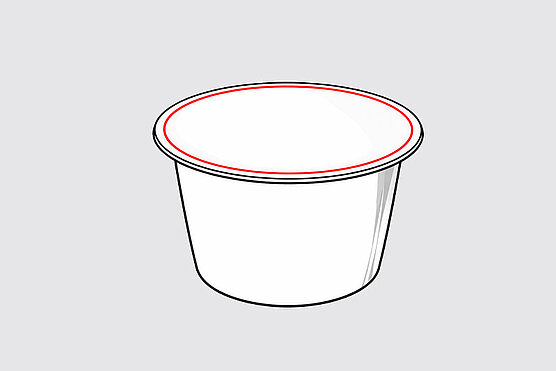
Packaging Applications
Our Industry Solutions


Videos – take a look behind the scenes

FAQ – Ultrasonic Sealing for Packaging applications
Ultrasonic sealing is especially well suited for thermoplastic packaging materials commonly used in the food industry. This includes PE, PP, PET, PS, as well as multilayer films and laminates where at least one layer is thermoplastic.
Ultrasonics can also reliably seal eco-friendly packaging materials. These include paper-based packaging, both with and without thermoplastic coatings, as well as many mono-material structures designed for recyclability.
Ultrasonic sealing helps manufacturers meet sustainability regulations like the EU Packaging and Packaging Waste Regulation (PPWR) by supporting material-efficient and recyclable packaging concepts.
The technology works reliably with mono-material structures and paper-based packaging with thermoplastic coatings, both of which play a key role in achieving PPWR compliance. Because ultrasonic sealing introduces energy only into the seal area, it enables strong, consistent seals even with thinner material layers.
In addition, ultrasonic sealing can seal through product residues such as liquids or powders. This significantly reduces defective packages and rework, helping manufacturers lower overall packaging waste. It also allows the sealing area to be made significantly smaller, which saves even more material.
At the same time, the process requires less energy, contributing to a reduced environmental footprint—without compromising seal integrity or food safety.
Ultrasonic sealing offers clear advantages over conventional heat-based methods, particularly in food packaging. The process introduces energy precisely into the seal area and allows key parameters such as amplitude, force, time, and energy to be accurately controlled and monitored. This creates a highly stable and reproducible sealing process.
As a result, strong and consistent seals are achieved even in the presence of product residues, significantly reducing rejects. The precise control also enables fast cycle times, lower energy consumption, and reliable sealing of thinner or recyclable materials – improving process efficiency while supporting quality and sustainability goals.
The best way to evaluate ultrasonic sealing for your application is through practical testing.
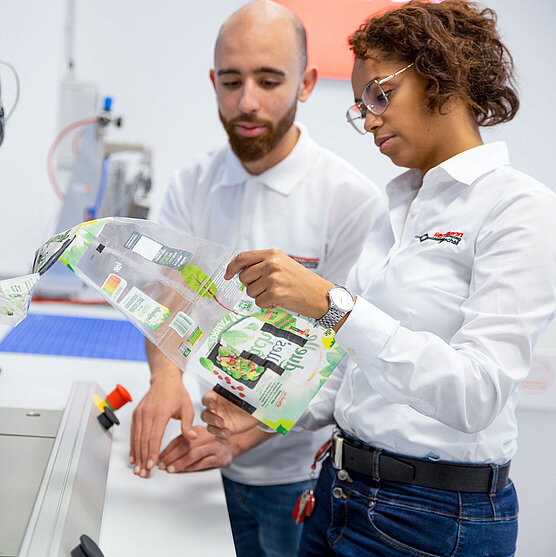
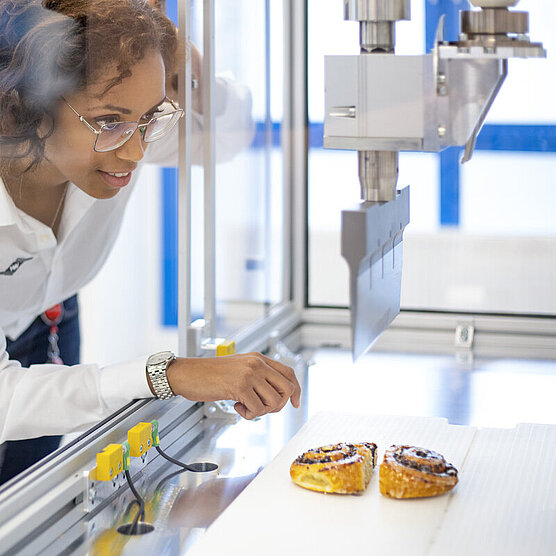
Packaging materials, product characteristics, and process requirements vary widely – especially in food packaging. That’s why we offer testing in our state-of-the-art ultrasonic labs, where your original materials and packaging formats are analyzed and sealed using production‑relevant parameters.
Based on these tests, sealing feasibility, seal quality, and process stability can be clearly validated. This provides a reliable basis for decision‑making and reduces technical risks before implementation.
Yes. Ultrasonic sealing can increase packaging line output by enabling fast, precisely controlled, and repeatable sealing cycles. Because energy is applied directly to the seal area, sealing times are reduced and process interruptions minimized.
For example, increasing line speed from 40 to 50 packs per minute can result in 25% higher output – up to 600 additional packs per hour. Actual gains depend on material, application, machine setup, and overall line configuration.
Yes. Ultrasonic sealing is particularly effective when product residues such as moisture, fibers, or powders are present in the sealing area. The ultrasonic vibrations displace contamination from the seal zone, enabling consistent and leak‑proof seals.
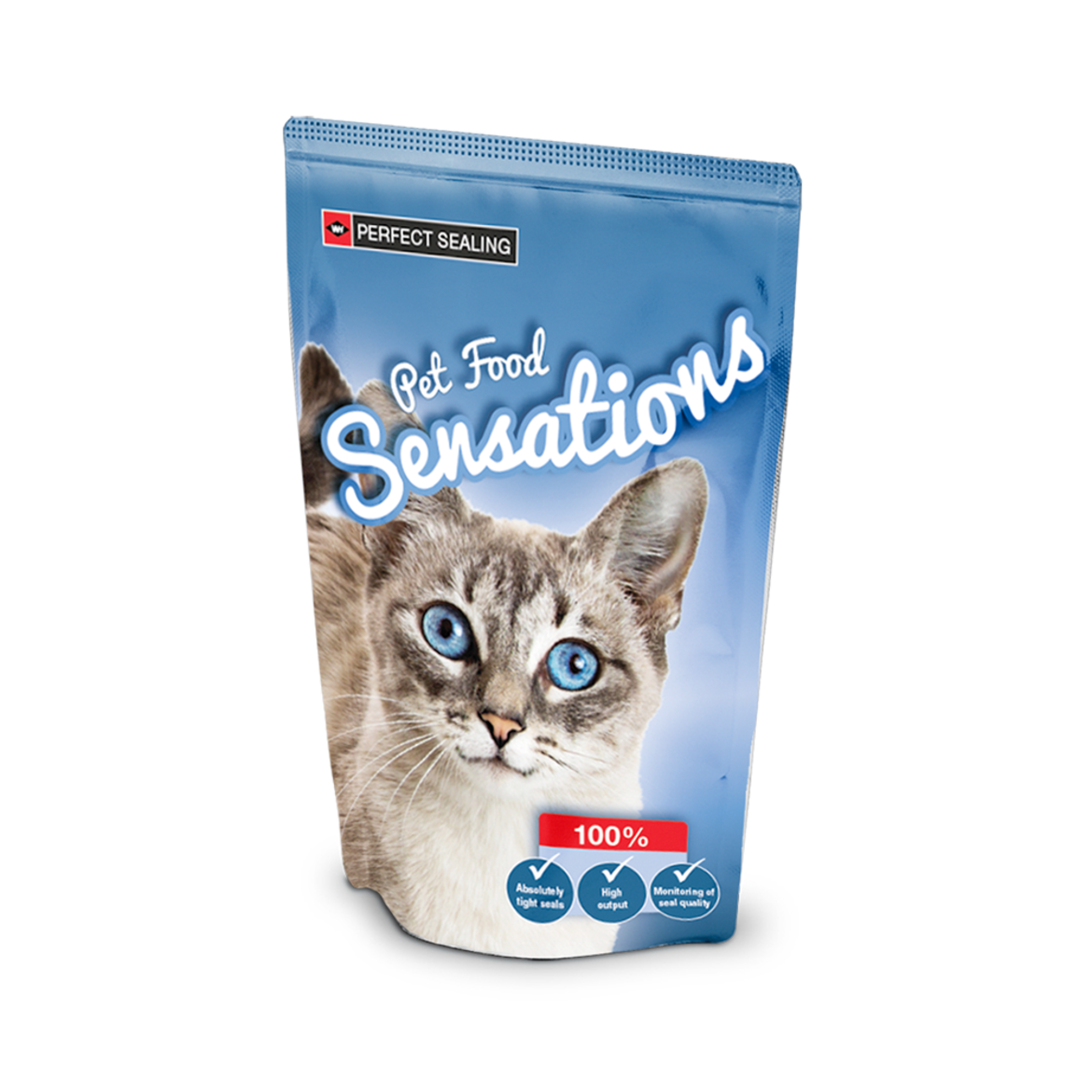
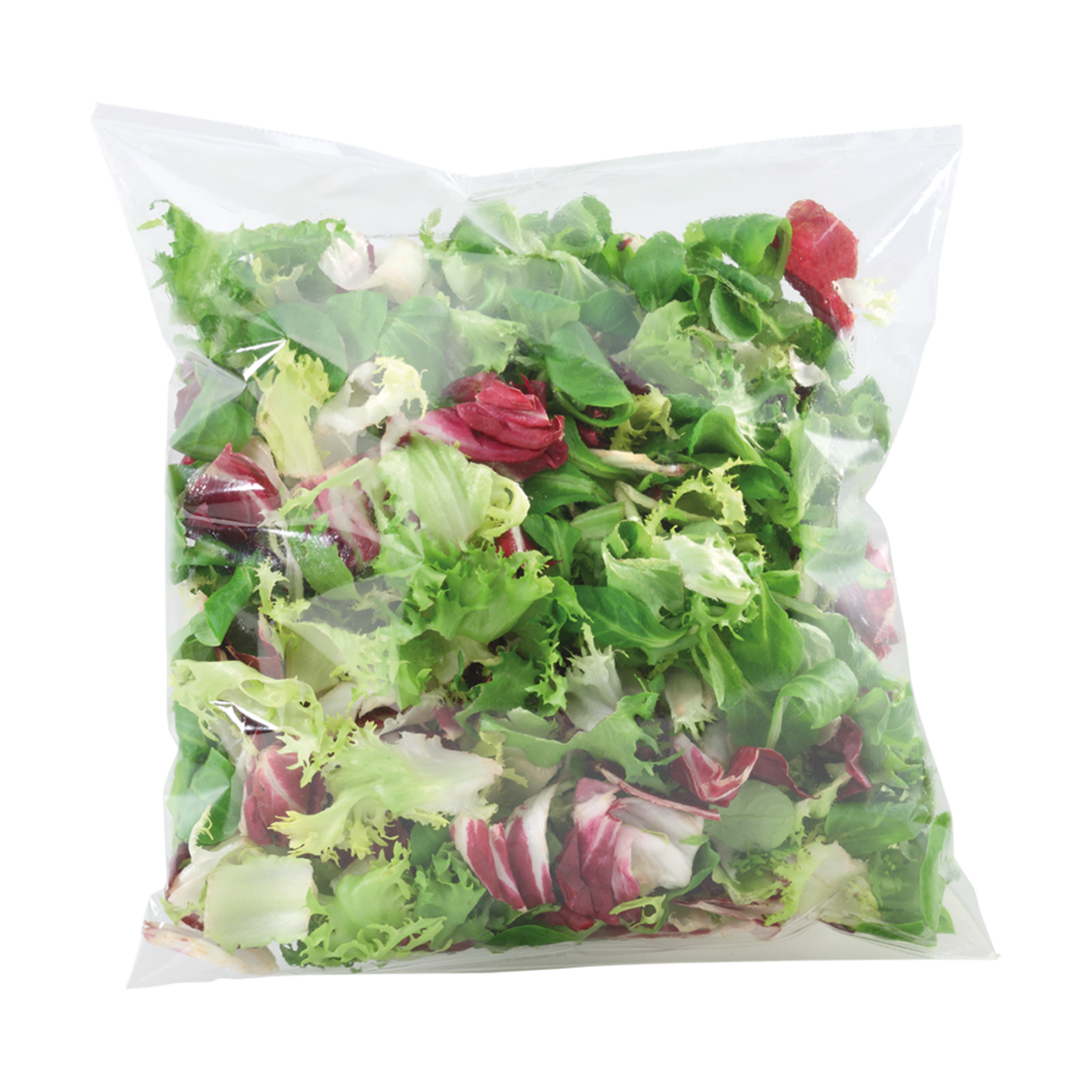
This makes the technology well suited for food packaging applications where clean sealing areas are difficult to ensure, such as dairy products, liquids, powders, salads, pet food, and similar products.
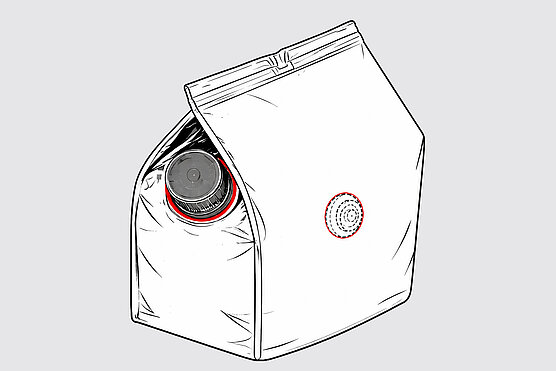
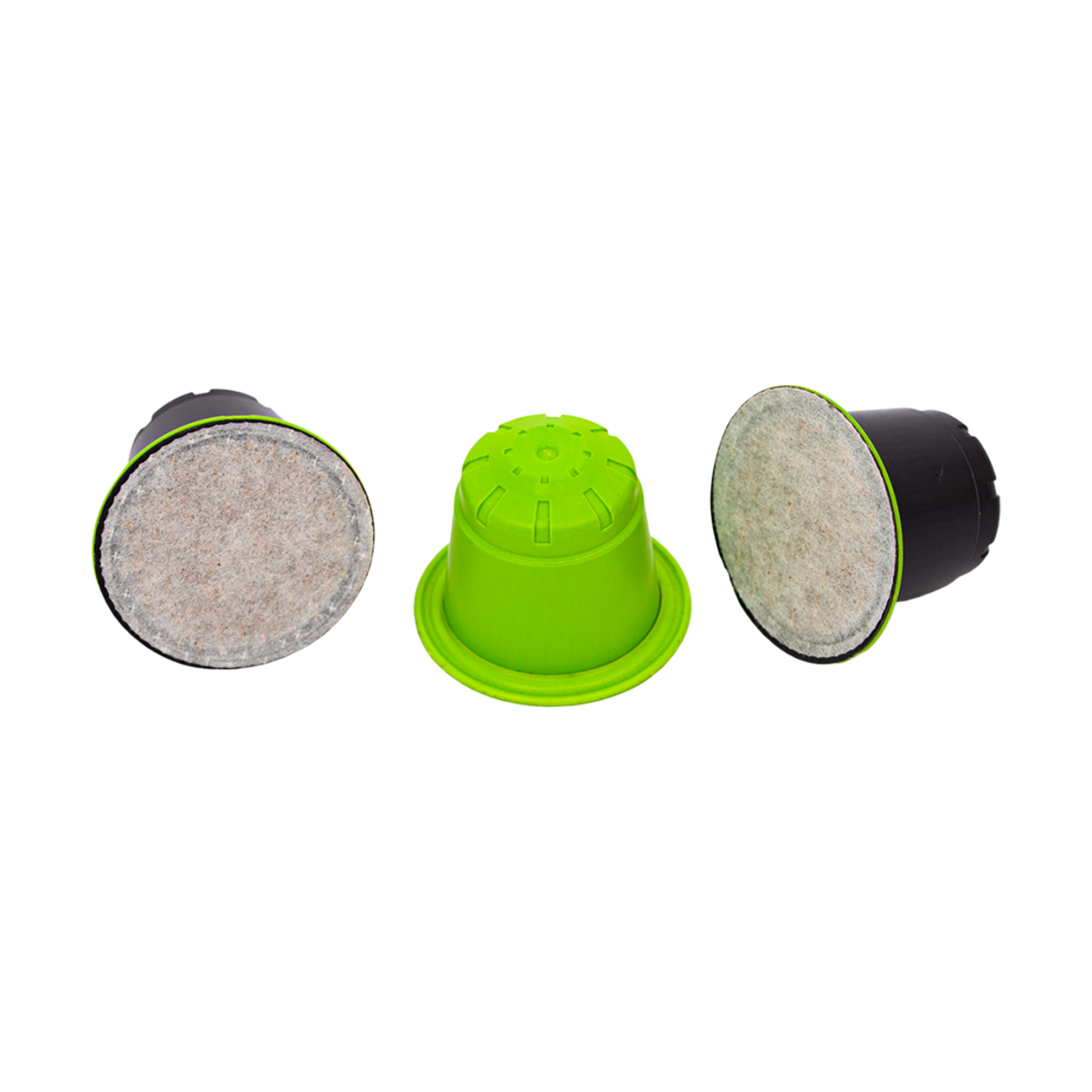
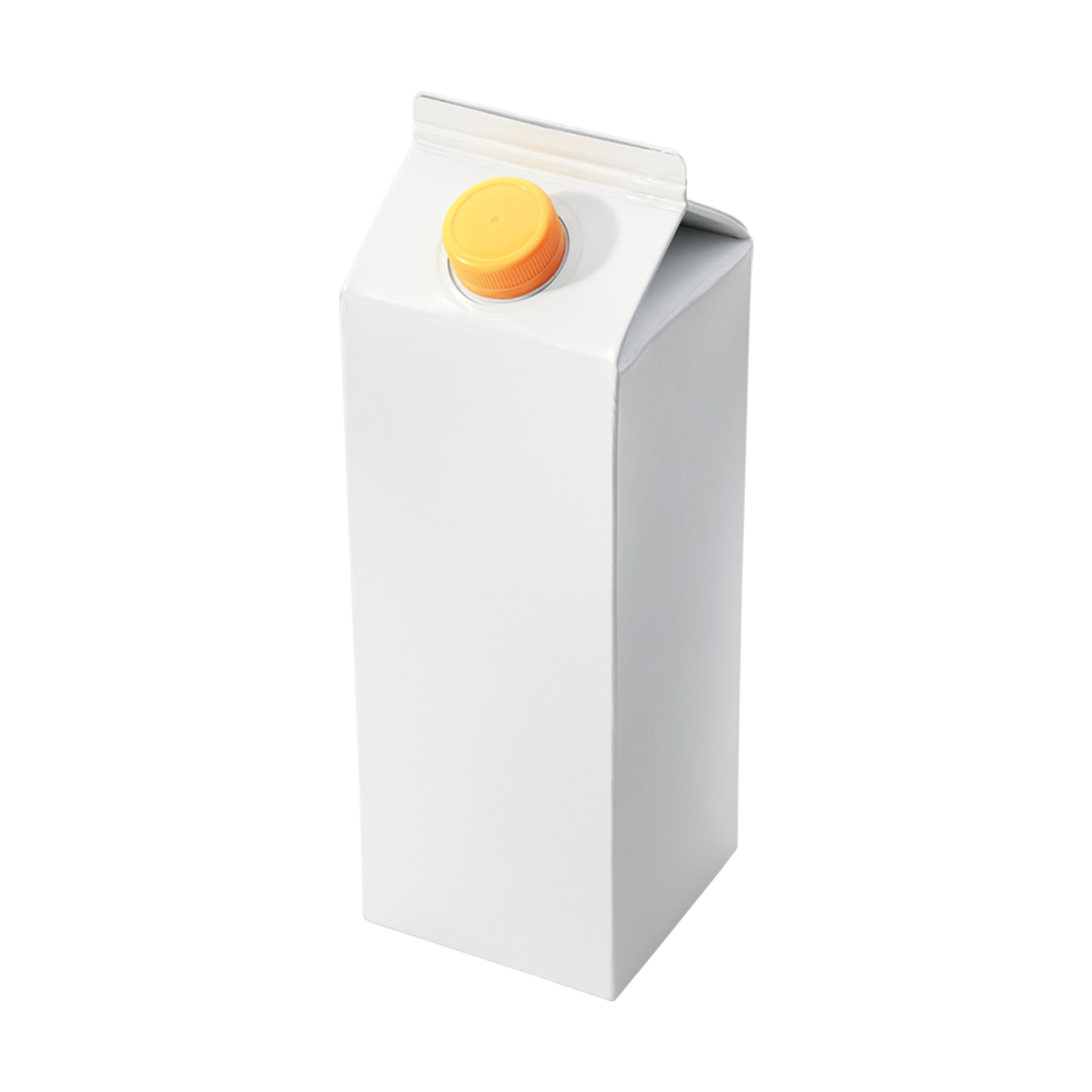
Ultrasonic sealing is especially well suited for packaging applications that require fast, reliable and leak-proof seals – even when product residues are present in the sealing area. Typical applications include pouches, cups, trays, pillow bags, cartons, capsules and other thermoplastic packaging formats used in industries such as dairy, food, pet food, medical and consumer goods.
The technology is especially beneficial for sensitive products, recyclable mono‑materials, high line speeds, and demanding seal quality requirements. Suitability depends on material, package geometry, product characteristics, and performance targets.
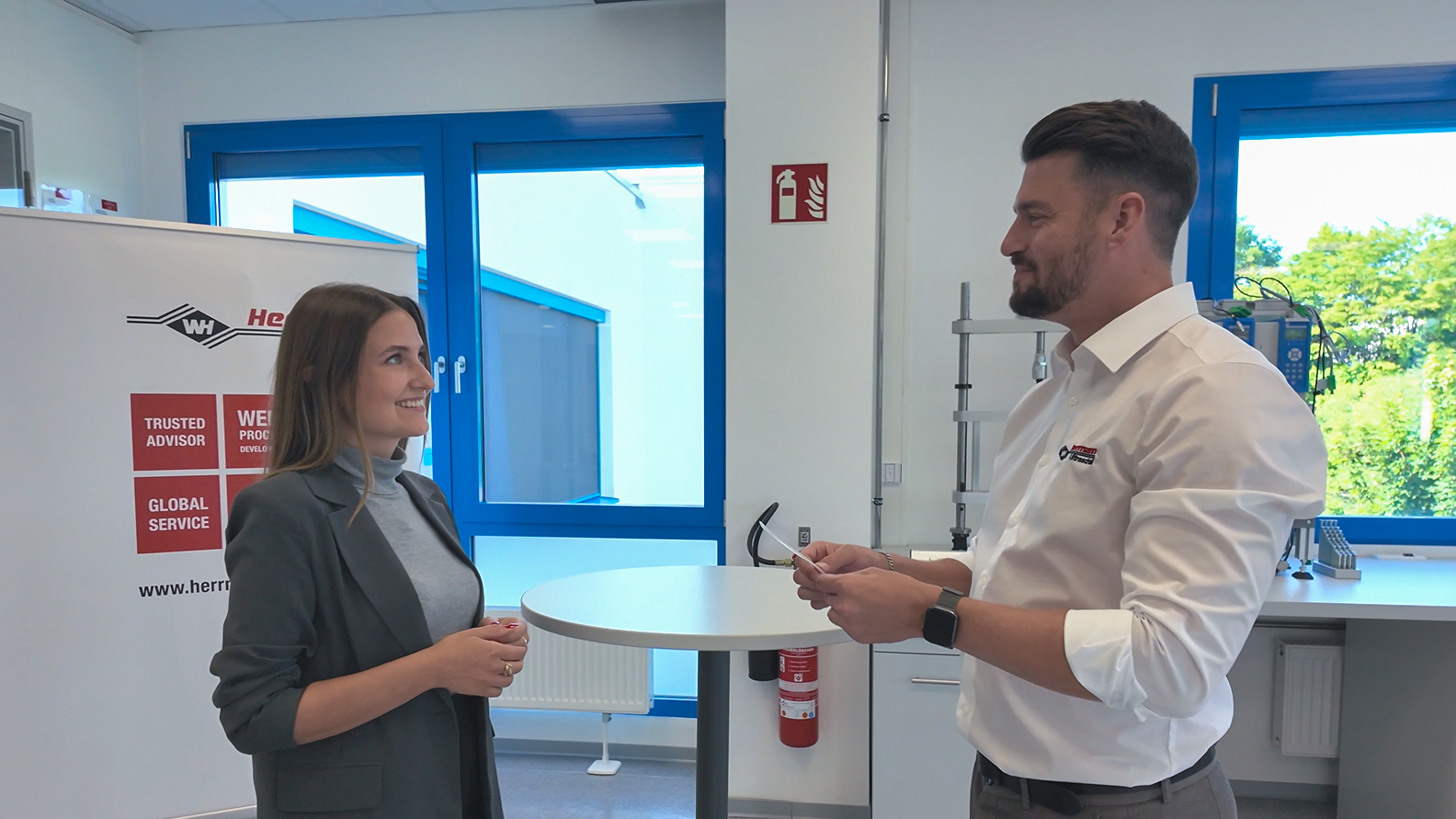
To determine whether ultrasonic sealing is the right solution for your application, you can work directly with our Trusted Advisor and run trials using your original materials in our ultrasonic laboratory.
Download Expert Resources
Learn more about the benefits of our ultrasonic sealing technology for your packaging application. Our downloads contain knowledge from more than 60 years of ultrasonics, providing valuable insights into advanced assembly techniques. By sharing our technical expertise, we foster a close partnership on equal terms, ensuring we can execute projects as quickly and successfully as possible.
Download our exclusive resources to unlock decades of innovation and stay ahead of the rapidly evolving packaging industry.
Partner with Us
Contact our PACKAGING Team to discover how our premium solutions can elevate the quality and effectiveness of your large-scale manufacturing. We look forward to hearing from you!